


Essay
After the Right to the City
Learning from Brazil’s Social Urbanism




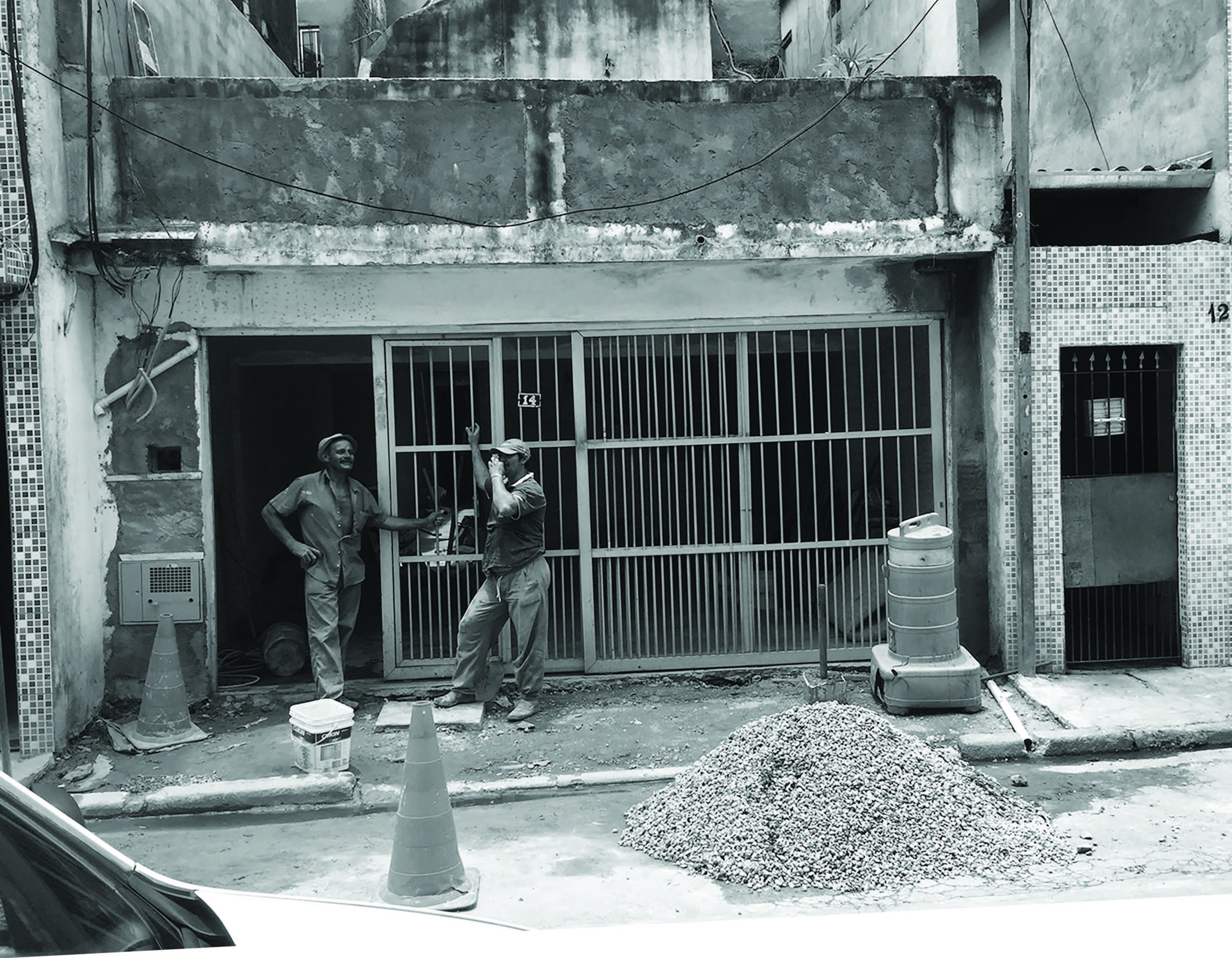
This article examines how Brazil’s social urbanism emerged from the reinterpretation of Henri Lefebvre’s philosophy of sociospatial justice through architectural practice, within which favela upgrading was a key instrument of change. Across three receptor moments—critical pragmatism, developmentalism, and the tenure debate—architects translated the ideal of social function into built form, producing new housing types and urban morphologies. Yet recent upgrading under neoliberalism has inverted this logic, turning spaces once built for social use into an architecture of rent. Drawing on community-based, situated data from São Paulo’s favelas, the article analyzes the material aftereffects of these transformations and develops design proposals for rent-intentional upgrading. Grounding upgrading in situated data opens new possibilities for architecture as a civic resource within uneven urban landscapes.
Continue reading: